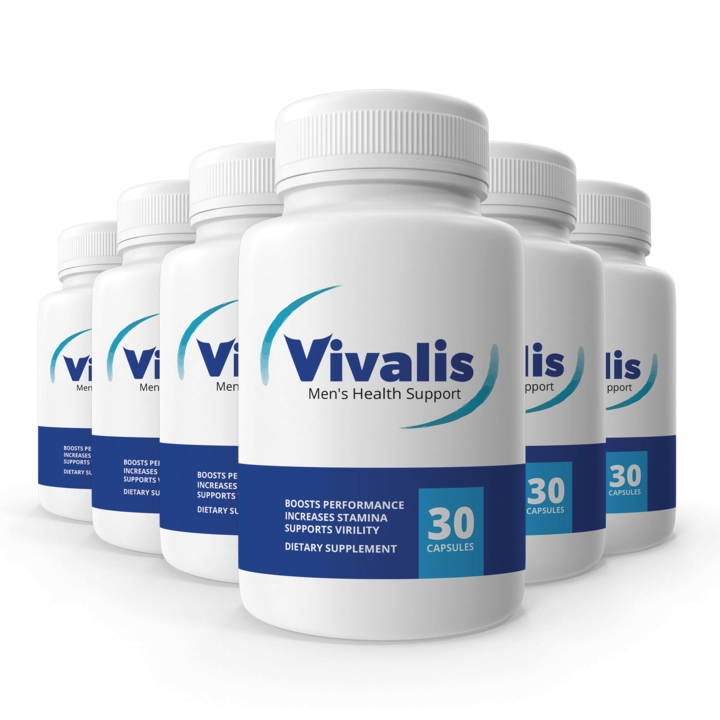
The Vivalis formula contains six featured botanicals: Mucuna Pruriens, Aloe Vera, Epimedium or Horny Goat Weed, Maca Root, Fennel Seed, and Saw Palmetto. Together, they create a men's wellness blend focused on daily vitality, stamina, healthy circulation, confidence, digestive comfort, and age-aware support. Exact ingredient amounts are not published in the available product information, so this page explains roles and cautions without pretending that a dose-specific conclusion can be made.
Why Ingredient Transparency Matters
Ingredient names tell buyers what kind of formula they are considering. Amounts matter too, because research on a plant may use a particular preparation and dose that is not necessarily the same as a finished supplement. Vivalis names the six featured ingredients but does not provide exact quantities in the available web material. That limits direct comparisons with studies or competing products.
The responsible approach is to understand why each botanical is present, read the current bottle label, avoid duplicate formulas, and discuss interaction risks when medication or health conditions are involved. A plant's traditional use does not automatically prove a guaranteed outcome in every finished product.
Mucuna Pruriens
Mucuna Pruriens is a tropical legume used in traditional food and wellness systems. It naturally contains L-DOPA, a precursor that the body uses to produce dopamine. Dopamine is involved in motivation, reward, movement, and many other functions, which helps explain why Mucuna is often connected with mental drive and a more engaged daily routine.
In Vivalis, Mucuna Pruriens supports the motivation-and-vitality side of the formula. It should not be described as a treatment for depression, movement disorders, low libido, or hormone deficiency. Because of its natural L-DOPA content, it deserves more caution than an ordinary culinary plant. Men taking medication that affects dopamine, mood, psychosis, blood pressure, or movement should ask a clinician before use.
Aloe Vera
Aloe Vera is widely known for topical skin use, but selected oral preparations also appear in supplements. Oral aloe has a traditional association with digestive comfort and antioxidant support. Its place in Vivalis is complementary: it broadens the formula beyond men's vitality botanicals and helps create a more general wellness profile.
Oral aloe should not be confused with applying fresh gel to the skin. Different parts and preparations of the plant can have different effects, and some may cause cramping or loose stools. Buyers should follow the product label and avoid combining several aloe-containing supplements. People with persistent digestive symptoms should seek medical guidance rather than using aloe to self-treat an unknown condition.
Epimedium / Horny Goat Weed
Epimedium is a traditional botanical often called Horny Goat Weed. It contains naturally occurring flavonoids, including icariin, and appears frequently in men's wellness formulas centered on normal circulation and intimate confidence. That history explains why it is a key part of Vivalis's positioning.
Epimedium is not prescription erectile dysfunction medicine. Research on isolated compounds does not prove that a mixed supplement will produce a specific physical response. Claims of a guaranteed physical response, instant action, or a drug-equivalent effect are not appropriate.
This ingredient also creates important interaction questions. Men taking nitrates, blood-pressure medicine, anticoagulants, heart medication, or other products that influence circulation should speak with a healthcare professional before use. Men with cardiovascular or blood-pressure conditions should do the same.
Maca Root
Maca Root is a Peruvian plant traditionally eaten as food and used in wellness practices. It is frequently included in products focused on physical resilience, stamina, energy, and interest in intimacy. Its long use as a food helps explain its popularity, but traditional use is not the same as a guaranteed clinical result.
Within Vivalis, Maca Root complements Mucuna Pruriens and Epimedium. It contributes to the steady, daily-routine side of the formula rather than an on-demand effect. Maca should not be used to promise a testosterone increase, infertility correction, or specific sexual outcome. Men with hormone-sensitive concerns or those using hormone-related treatment should discuss any new supplement with a clinician.
Fennel Seed
Fennel Seed is a familiar culinary spice with a long traditional role in digestive and post-meal comfort preparations. In Vivalis, it gives the formula a gentler complementary angle. It is not the central male-vitality ingredient, yet it helps balance a blend that otherwise focuses heavily on drive, stamina, circulation, and age-aware wellness.
Fennel belongs to the same plant family as several common herbs and vegetables, so people with related allergies should read the label carefully. Fennel also contains plant compounds that may raise questions for people with hormone-sensitive conditions. Those concerns do not make the ingredient automatically unsafe, but they do make individualized guidance useful.
Saw Palmetto
Saw Palmetto comes from the fruit of a small palm native to the southeastern United States. It is widely recognized in dietary supplements aimed at adult men's prostate and urinary wellness. Its inclusion gives Vivalis a broader healthy-aging identity instead of limiting the product to energy or intimate confidence.
Saw Palmetto is not a treatment for an enlarged prostate, urinary infection, prostate cancer, or low testosterone. Urinary changes such as pain, blood, difficulty starting, reduced flow, or frequent nighttime urination should be medically evaluated. Men using anticoagulants, hormone-related medicine, or prostate treatment, and men preparing for surgery, should ask a clinician about possible interactions before use.
How the Six Ingredients Work as a Formula
The blend can be viewed in three connected groups:
- Motivation and stamina: Mucuna Pruriens and Maca Root.
- Circulation and confidence: Epimedium, supported by the overall vitality routine.
- Age-aware and complementary support: Saw Palmetto, Aloe Vera, and Fennel Seed.
This grouping explains the product's broad position without making a disease or treatment claim. The formula is intended to support several areas at once, but the exact contribution of each ingredient cannot be separated in a finished multi-botanical product.
Formula Limitations
The lack of published exact amounts is the main ingredient-level limitation. It prevents a reliable dose comparison with studies. Buyers should also remember that supplement quality can depend on the plant species, extract type, preparation, testing, storage, and serving size.
No ingredient list can answer whether a product is appropriate for a particular person. Medication, allergies, cardiovascular health, blood pressure, prostate concerns, planned surgery, and other supplements all matter.
Responsible Ingredient Checklist
Before taking Vivalis:
- Read the current bottle label from top to bottom.
- Follow the labeled serving rather than conflicting online directions.
- Check every other supplement for overlapping ingredients.
- Ask a clinician about nitrates, blood-pressure drugs, anticoagulants, cardiovascular medicine, prostate treatment, dopamine-related medication, or hormone therapy.
- Stop use and seek advice if an unexpected reaction occurs.
Vivalis Ingredients Summary
Vivalis combines six botanicals with distinct roles: Mucuna Pruriens for the motivation-and-drive angle, Aloe Vera for complementary digestive support, Epimedium for circulation-focused men's wellness, Maca Root for stamina and resilience, Fennel Seed for digestive balance, and Saw Palmetto for age-aware male support.
The formula is broad and convenient, but it should not be oversold. Exact doses are unavailable, the product is not ED medicine, and several ingredients may require medication or condition-specific guidance. Men who understand those limits can evaluate the ingredient profile more clearly and decide whether it fits their wellness routine.